
Unified Customer Service Hotline
400-609-9961
Unified Customer Service Hotline
400-609-9961


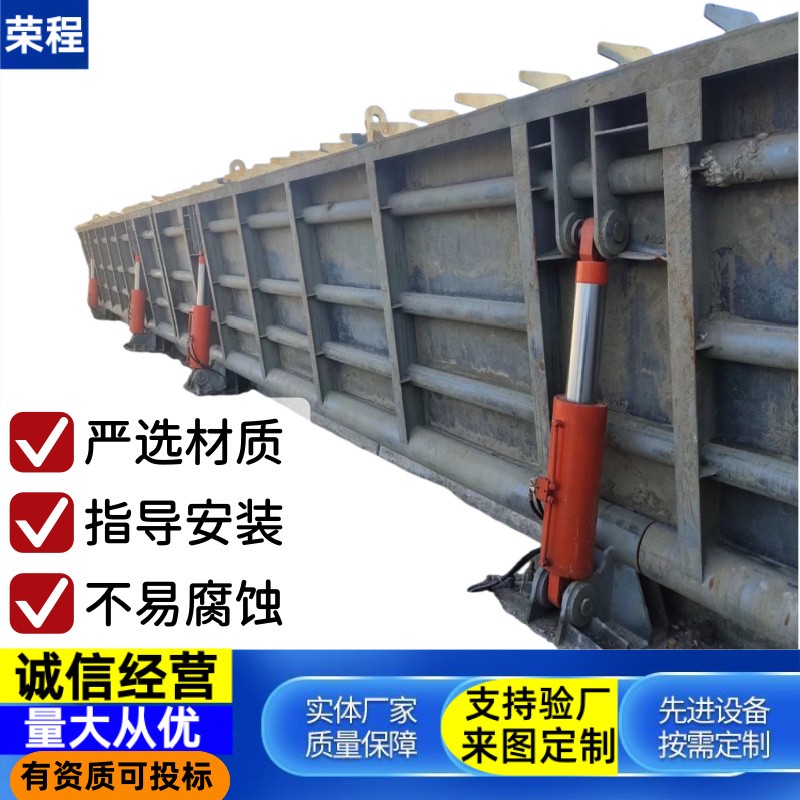
The flap gate is a widely used type of gate, and its working principle is based on lever balance and rotation. It utilizes hydraulic force and the weight of the gate to counterbalance each other, and regulates the water level through a damping feedback system to ensure that the upstream water level remains within the design requirements. For example, the roller-link flap gate is a double-fulcrum gate with a connecting rod, consisting of components such as the panel, legs, supports, rollers, and connecting rods. According to changes in the gate’s water level, the hydraulic automatic flap gate can automatically control the opening and closing of the gate.
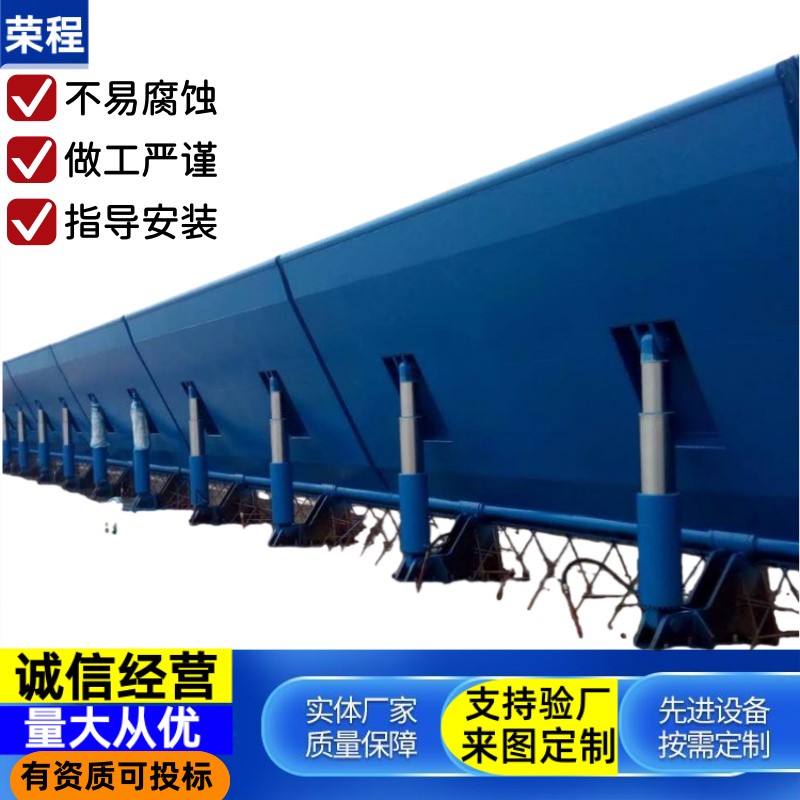
The flap gate is a widely used type of gate, and its working principle is based on lever balance and rotation. It utilizes hydraulic force and the weight of the gate to counterbalance each other, and regulates the water level through a damping feedback system to ensure that the upstream water level remains within the design requirements. For example, the roller-link flap gate is a double-fulcrum gate with a connecting rod, which consists of components such as the panel, legs, supports, rollers, and connecting rods. According to changes in the gate’s water level, the hydraulic automatic flap gate can automatically control the opening and closing of the gate.
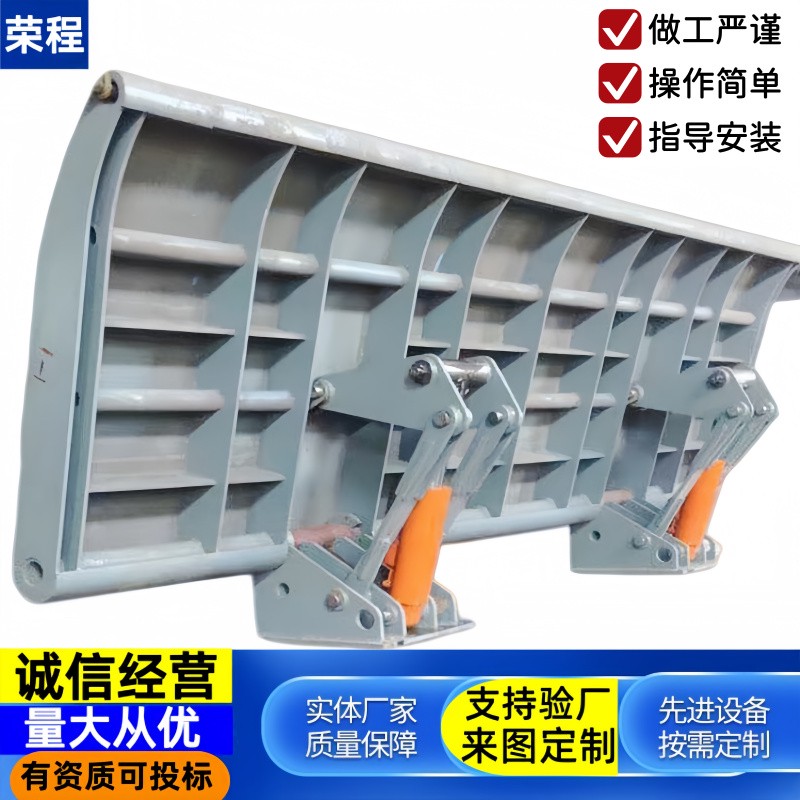
The flap gate is a reliable device for controlling water levels, and its basic principle is achieved through lever balance and rotation. It is widely used in reservoirs, hydropower stations, and other places, and is an important component in ensuring the safe and stable operation of hydraulic engineering projects.